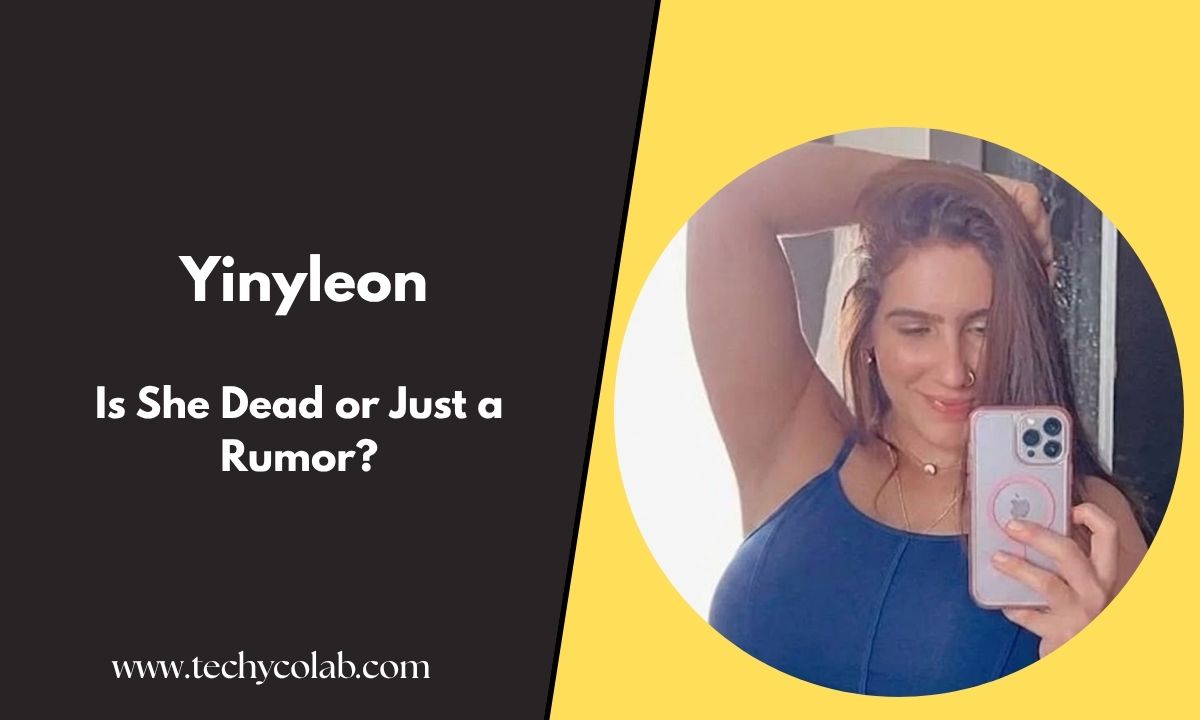
Yinyleon Cause of Death: Is She Dead or Just a Rumor?
Yinyleon is an online content creator known widely online. Her name has recently sparked death rumors across social platforms. Searches now ask about her health and alleged passing. However, no credible source confirms her death today. The supposed cancer story also lacks reliable evidence. Viral TikTok videos appear to fuel much confusion. This guide separates verified facts from online speculation. It also explains how death hoaxes spread.
Bio/Wiki
Yinyleon is an online personality and content creator. She became widely known through adult entertainment content. Public profiles associate her with Puerto Rican roots. Some databases list her birth date as June 1, 1984. Those details come from entertainment databases rather than records. Therefore, some biographical details remain independently unverified.
Yinyleon Quick Facts
| Detail | Information |
| Full name | Yiny León, reportedly |
| Public name | Yinyleon |
| Age | 42, reportedly |
| Birthplace | Puerto Rico, reportedly |
| Height | 5 feet 1 inch, reportedly |
| Weight | 134 lbs (61 kg) |
| Spouse | Leon, reportedly |
| Net worth | $200,000 to over $1 million |
| Profession | Content creator and performer |
| Social handles | @yinyleonofficial, reportedly |
Her public Instagram presence remains especially notable. Third-party tracking currently lists millions of followers there. Recent activity also appears on her public profile.
That activity matters when evaluating death claims. Still, online activity alone isn’t absolute proof. Accounts can remain online after someone’s death. Therefore, stronger evidence requires official death confirmation.
Why People Search for Yinyleon Cause of Death
People search Yinyleon cause of death after seeing viral claims. Most searches appear driven by uncertainty rather than facts. A shocking headline can quickly trigger thousands of searches. Those searches can then create even more misleading content.
Several related searches now circulate online. Common examples include:
- Is Yinyleon dead?
- Yinyleon cause of death cancer
- Yinyleon death rumor
- Yinyleon death hoax
- Yinyleon autopsy claim
- Did Yinyleon die?
- Yinyleon TikTok death
- What happened to Yinyleon?
Search engines reflect what people seek online. They don’t automatically confirm those searches as facts.
Read This: Who Is Mariellen Bergman?
Is Yinyleon Dead?
No verified death announcement currently confirms Yinyleon’s death. Available evidence doesn’t establish that she has died. Current searches found no reliable obituary or credible death report. No confirmed family announcement establishes her passing either.
This distinction becomes important with viral death rumors. Multiple websites can repeat identical claims online. That repetition doesn’t create independent verification.
| Claim | Current evidence |
| Yinyleon died | Not verified |
| Official death announcement | Not publicly confirmed |
| Confirmed cause of death | None |
| Cancer diagnosis | Not verified |
| Autopsy report | Not verified |
| Viral death videos | Circulating online |
Public activity provides another useful signal here. Her public Instagram profile currently shows recent posts. Third-party monitoring also records ongoing account activity.
Still, responsible reporting avoids absolute claims. The strongest conclusion remains simple. No credible death confirmation has been established.
The Truth About the Cancer Rumor
The Yinyleon cancer rumor remains unverified by credible evidence. No reliable medical source confirms a cancer diagnosis. There is also no documented treatment timeline available publicly. Claims about cancer type remain unsupported as well.
This matters because health information deserves extra caution. Cancer death rumors can cause serious emotional harm. They also turn private medical questions into public speculation.
Where the Cancer Claim Started
The exact first source remains difficult to establish. Various social media posts appear to repeat similar allegations. Some low-quality blogs then republished those claims. Other pages copied similar wording and headlines.
This creates a familiar misinformation cycle:
Anonymous post → Viral sharing → Blog coverage → More searches
Once that cycle starts, the rumor gains apparent credibility. Readers may see dozens of pages repeating it. Yet those pages might all rely on one source.
No credible evidence confirms Yinyleon had cancer. No public cancer diagnosis supports the allegation. No verified treatment timeline supports it either.
Why the Claim Does Not Hold Up
The cancer story fails basic fact checking. A genuine diagnosis requires credible supporting evidence. Such evidence could include a public statement or representative comment.
Possible evidence might include:
- An official announcement
- A verified family statement
- A management account statement
- A credible news report
- A documented public record
- Reliable reporting about serious illness
None currently establishes the cancer allegation.
Medical records normally remain private in America. Therefore, their absence doesn’t prove someone wasn’t ill. However, it also means outsiders shouldn’t invent medical details.
The TikTok Death Hoax Problem
The TikTok death hoax appears central to this rumor cycle. Viral videos can make false claims feel surprisingly authentic. Emotional editing often strengthens that false impression.
How These Hoax Videos Are Usually Made
Many fake celebrity death stories follow similar patterns. Creators combine old footage with dramatic captions. They may add sad music and tribute-style graphics. Some videos use shocking headlines for immediate attention.
A typical video might include:
- An emotional opening statement.
- Old photographs or unrelated footage.
- A dramatic death caption.
- Sad music underneath everything.
- A supposed cause without evidence.
- Comments asking viewers to share.
- Hashtags designed for broader discovery.
This formula exploits emotional reactions before fact checking begins.
Why These Videos Spread So Fast
Emotional content naturally encourages rapid sharing. TikTok videos also reward strong viewer engagement. Watch time and interactions can increase content visibility.
That creates a dangerous incentive structure. Shock gets attention. Attention creates reach.
Copycat content can then multiply the original claim. One false video becomes hundreds of similar posts. Soon, viewers encounter the same claim everywhere.
That doesn’t make the claim true.
What About the Autopsy Claim?
The Yinyleon autopsy claim has no verified public support. No authenticated autopsy record establishes her death. No credible source has published reliable medical findings.
The word “autopsy” can make rumors sound official. However, adding technical language doesn’t create evidence.
A legitimate death investigation may involve several records. Depending on circumstances, these could include:
- Coroner findings
- Medical documentation
- Legal filings
- Death certificates
- Official statements
- Credible news reports
Public access varies by jurisdiction. Some records may remain restricted. Therefore, an alleged screenshot isn’t enough to establish authenticity.
Why Death Hoaxes Keep Happening
Death hoaxes continue because false death reports attract attention. They trigger fear, sadness, curiosity, and immediate sharing. Those emotions can generate strong engagement.
There can also be financial incentives. More clicks may produce more advertising revenue. Viral pages can gain followers through shocking claims. Some creators may also chase brand visibility.
This creates what can be called celebrity death hoax culture. The pattern isn’t limited to Yinyleon. Many public figures have faced similar viral death rumors.
This Pattern Has Happened Before
Celebrity death rumors often follow the same basic structure. Someone posts an unsupported claim first. Other accounts copy the story afterward.
Then websites begin targeting related searches. Search engine autocomplete can reinforce those queries. Users search for answers and find more recycled content.
The cycle looks like this:
False claim → Emotional sharing → Search spike → Copycat content → Greater confusion
The information vacuum makes everything worse. When reliable reporting appears slowly, rumors can fill that gap.
Read This: Who Is Zane Schoeffling? Sixteen Candles Star’s Son
How to Check If a Death Report Is Real
Start with verified news sources before trusting viral posts. Look for direct confirmation instead of repeated speculation.
Use this practical checklist:
- Check the person’s verified account.
- Look for an official announcement.
- Search established news organizations.
- Check family or management statements.
- Look for credible obituary coverage.
- Compare several independent reports.
- Avoid anonymous social media posts.
- Don’t trust dramatic screenshots alone.
Also check dates carefully. Old footage can resurface during new rumors. Recycled content often creates the illusion of current events.
A simple rule works well:
Extraordinary death claims require extraordinary verification.
Never treat a TikTok caption as a public death announcement.
The Real Harm of False Death Reports
False death reports hurt more than search rankings. They can cause genuine distress among relatives and followers. They can also damage a person’s public reputation.
False health rumors create another serious problem. They attach medical claims to people without consent. That can be especially harmful when cancer enters the story.
Misinformation can also confuse future readers. Search engines may continue showing old false headlines. AI summaries can potentially repeat poorly sourced information too.
That makes fact checking increasingly important for everyone.
Why This Topic Still Trends in 2026
The Yinyleon death rumors continue because online content rarely disappears. Old posts can resurface through recommendation algorithms. Search trends can also revive outdated stories.
The process often becomes self-reinforcing:
Searches create content. Content creates more searches.
People who see “Yinyleon cause of death” may assume something happened. They then search for confirmation. More publishers notice that search demand and create additional pages.
This creates a powerful information loop.
The result isn’t necessarily new information. Sometimes it’s simply recycled content.
What Is Actually Confirmed?
The most responsible answer remains straightforward. There is no verified Yinyleon cause of death currently established.
Current public evidence doesn’t provide a credible official death confirmation. The cancer diagnosis claim also lacks reliable support. Likewise, the Yinyleon autopsy claim remains unverified.
| Question | Answer |
| Is Yinyleon dead? | Not confirmed |
| Is Yinyleon cause of death known? | No |
| Did Yinyleon die from cancer? | Unverified |
| Was an autopsy confirmed? | No |
| Is there an official announcement? | None verified |
| Are viral videos reliable? | No |
| Does repeated reporting prove death? | No |
| What matters most? | Independent verification |
Public Instagram activity currently provides evidence of continued online presence. Third-party monitoring also shows recent account activity.
However, public activity should remain supporting evidence. It shouldn’t replace formal verification.
Fast Facts About the Yinyleon Death Rumor
- Yinyleon is the subject of viral rumors.
- Her death remains unverified publicly.
- No confirmed cause of death exists.
- Cancer claims remain unsupported by credible evidence.
- The autopsy claim lacks verified documentation.
- TikTok videos helped spread the rumors.
- Old footage can create misleading impressions.
- Repeated claims don’t equal independent verification.
- Official statements matter more than viral posts.
- Fact checking remains essential before sharing.
Conclusion
The Yinyleon cause of death story remains unverified. No credible evidence currently confirms her death. The cancer rumor also lacks reliable medical support. Likewise, the autopsy claim has no verified record. Viral TikTok videos shouldn’t replace trusted reporting. Until an official announcement appears, treat these claims carefully. The safest answer remains simple: no confirmed death exists.

Welcome to TechyColab! I’m Adil , an AI-powered SEO and content writer with 2 years of experience.
I help websites rank higher, grow traffic, and look amazing. My goal is to make SEO and web design simple and effective for everyone.
Let’s achieve more together!